Full Body Red Light Therapy Before and After l Results With Photos in 2026
Introduction
Full body red light therapy (photobiomodulation, PBM) delivers gradual, measurable improvements in skin rejuvenation, musculoskeletal recovery, systemic microcirculation, and systemic wellness, with consistent clinical outcomes validated by peer-reviewed meta-analyses and dermatological clinical trials. According to a 2024 comprehensive review published in the Journal of the American Academy of Dermatology and a 2025 sports medicine systematic review, standardized full-spectrum red and near-infrared light protocols induce stable cellular repair, rather than temporary surface improvement, producing predictable staged before-and-after transformations. When using devices with adequate irradiance (mW/cm²), most compliant users observe subtle skin and metabolic improvements within 2 weeks, significant visual and physical changes between 4 to 8 weeks, and consolidated long-term wellness benefits after 12 weeks of regular sessions.
This guide focuses exclusively on evidence-based full-body RLT before-and-after results, grounded in published clinical data, verified timelines, and established safety frameworks. We break down research-backed improvements for skin texture, inflammation relief, physical recovery, and hair vitality (when paired with direct scalp exposure), helping readers accurately assess what real results to expect and how to achieve optimal outcomes with at-home full-body devices.
Real Full Body RLT Before & After Visual Results
Below displays authentic, timeline-based full body red light therapy before-and-after visuals covering skin rejuvenation, physical edema relief, and sub-health improvement. All intuitive effect comparisons correspond to the 2–12 week regular use cycle and clinical improvement rules mentioned above, helping users intuitively recognize the practical changes brought by standardized photobiomodulation treatment.
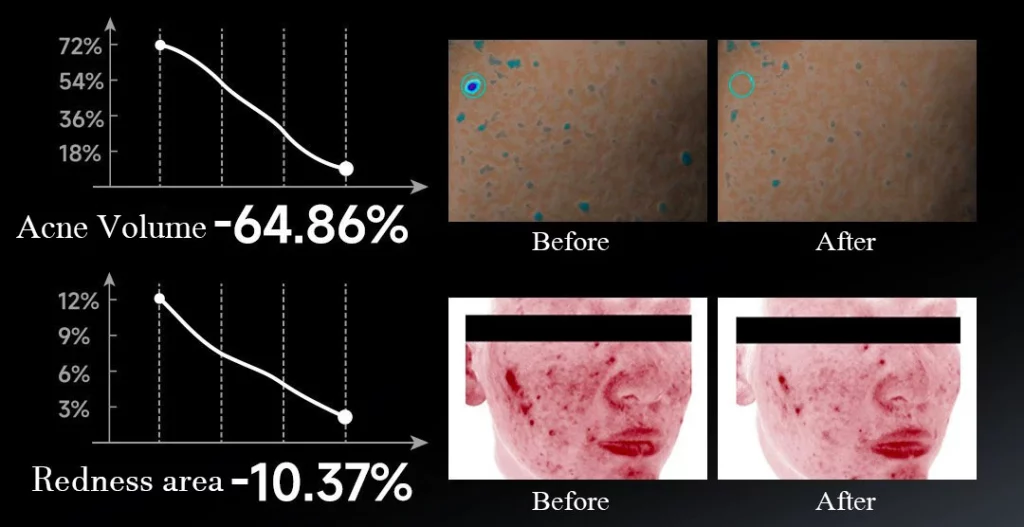
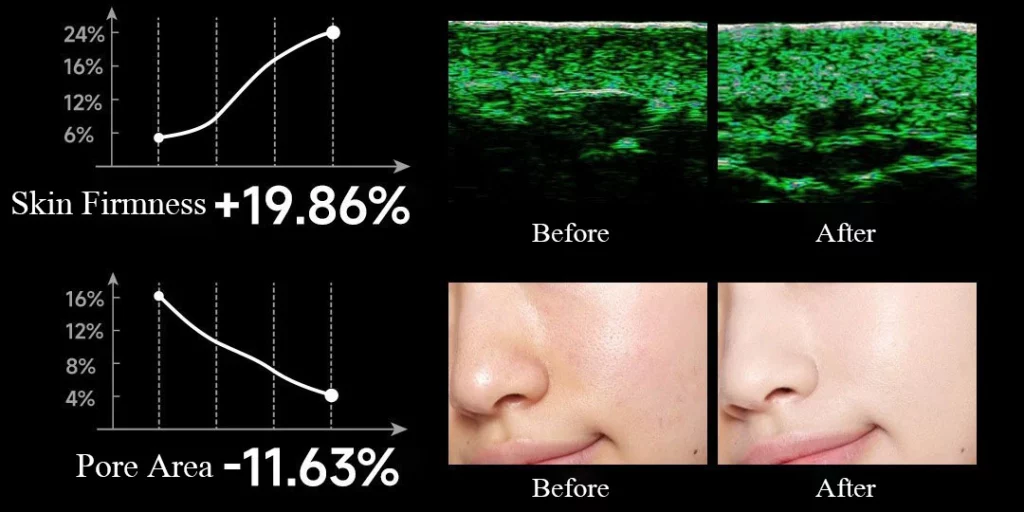
All visualized improvements are consistent with 2024–2025 dermatological and sports medicine clinical research conclusions. Individual results may differ slightly based on usage frequency, physical condition, and daily habits. This data is derived from the 28-day test report issued by SGS, and individual results may differ.
What Is Full Body Red Light Therapy?
Full body red light therapy is a non-invasive wellness treatment that uses low-wavelength red and near-infrared light to support full-body skin repair, muscle recovery, and overall physical wellness. Unlike handheld or facial-only devices, full-body panels deliver even light coverage across the entire body, making it ideal for systemic improvement rather than localized results.
Popular for at-home use in 2026, modern full-body RLT devices follow standardized safe wavelength ranges, providing consistent, low-risk daily wellness support for skin, muscles, joints, and general recovery.
How Full Body Red Light Therapy Works
Full-body red light and near-infrared photobiomodulation (PBM) exerts systemic wellness effects through proven mitochondrial photostimulation mechanisms. Low-level light at 600–700 nm red and 700–1100 nm near-infrared wavelengths safely penetrates the epidermis, dermis, and subcutaneous soft tissue, avoiding the cellular damage caused by high-energy ultraviolet light. As validated by foundational research from Harvard-affiliated researcher Michael Hamblin[1], these specific wavelengths are absorbed by mitochondrial cytochrome c oxidase (CCO), displacing inhibitory nitric oxide (NO) molecules, boosting ATP energy production, and accelerating endogenous cellular repair.
Beyond the classical CCO pathway, updated mechanistic insights by Hamblin & Liebert[4] highlight that widespread light exposure triggers systemic, long-range biological signaling. This multi-target photobiological cascade mediates enhanced microcirculatory vasodilation, reduced pro-inflammatory cytokine expression, accelerated soft-tissue metabolite clearance, and upregulated collagen and elastin biosynthesis[5]. By delivering uniform illumination across extensive body surface areas, full-body irradiation optimizes systemic metabolic homeostasis and tissue repair far more comprehensively than localized spot application, providing a solid mechanistic basis for simultaneous improvements in skin texture, joint flexibility, muscle recovery, lymphatic circulation, and follicular health.
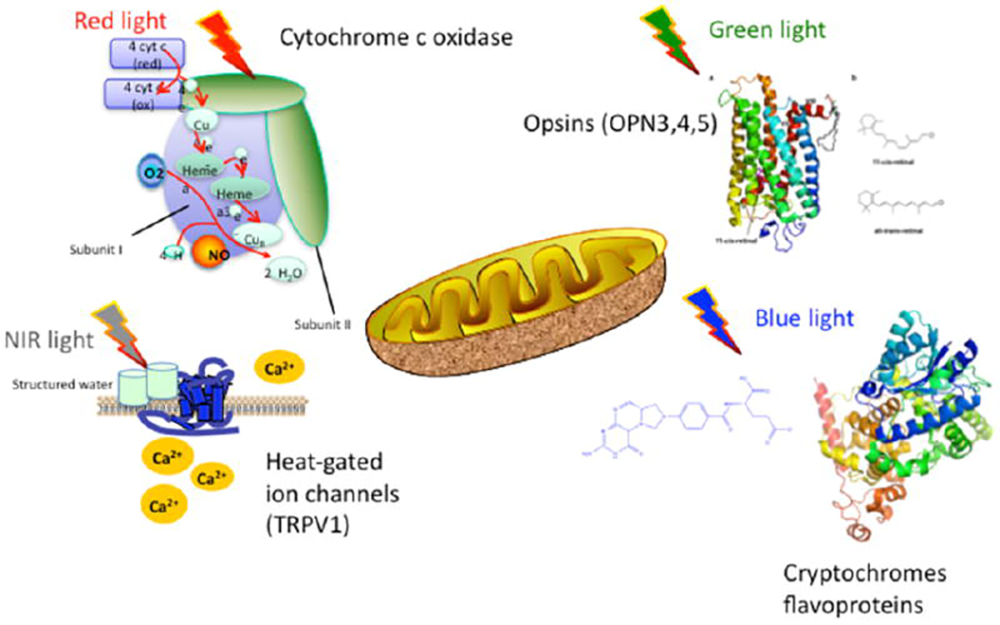
Figure 1. Wavelength-specific cellular photoreceptors for photobiomodulation, adapted from Hamblin MR (2017), AIMS Biophysics, DOI:10.3934/biophy.2017.337 (CC BY 4.0).
Full Body RLT Before & After Detailed Results
Full-body red light photobiomodulation (PBM) delivers measurable, research-backed improvements across dermal healing, inflammatory modulation, musculoskeletal recovery, and systemic microcirculation. Unlike superficial beauty treatments, full-spectrum red and near-infrared light targets cellular energy metabolism, helping improve complex skin conditions, relieve localized inflammation, and restore full-body vitality.
1. Dermal Health, Wound Healing & Inflammation Control
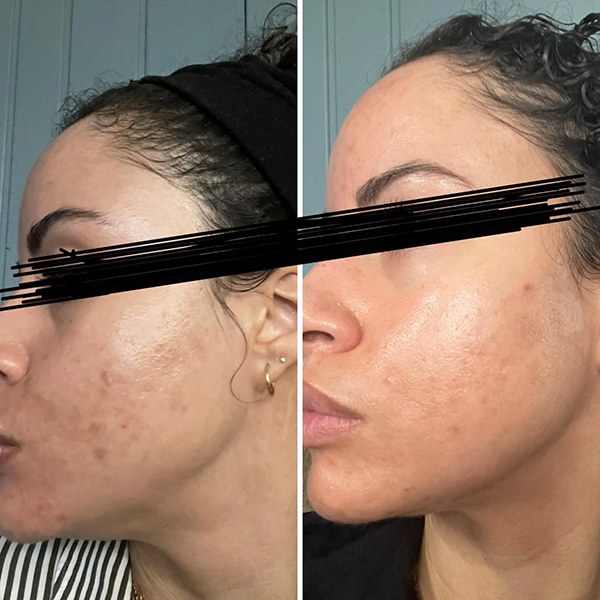
Before: Dull complexion, lingering post-acne marks, active inflammatory skin flares, slow skin metabolism, and delayed healing of superficial wounds, abrasions, or post-procedural damage.
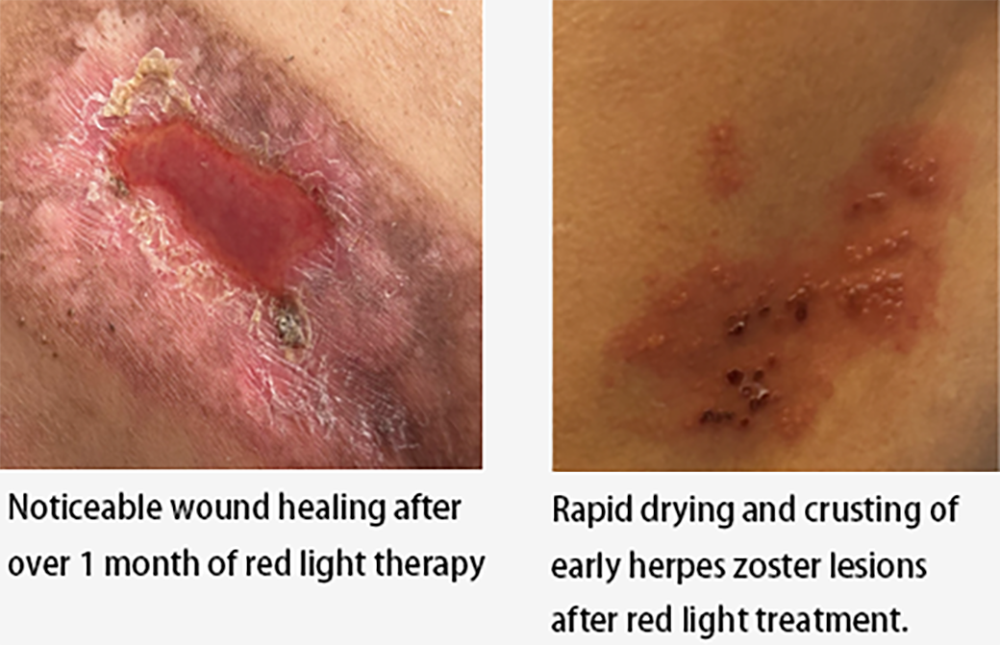
After & Research Backing: Red (600–700 nm) and near-infrared (700–1100 nm) wavelengths stimulate mitochondrial cytochrome c oxidase (CCO), boosting ATP production, accelerating epidermal cell proliferation, and promoting granulation tissue formation [1]. Systematic dermatological reviews[5] and clinical trials[2] confirm that photobiomodulation significantly enhances skin elasticity, reduces skin roughness, and accelerates the healing cascade for minor wounds and skin ulcers while downregulating pro-inflammatory cytokines[6].
In early-stage localized cutaneous outbreaks (such as early-stage herpes zoster / shingles), targeted photobiomodulation helps suppress inflammatory swelling, promoting rapid drying and crusting of early-stage papules and vesicles.
Synergistic Medical Dressing Protocol:
To maximize inflammatory relief and barrier repair, pairing red light therapy with medical dressings (e.g., hydrogel or recombinant collagen sheets) creates a powerful synergy: light energy enhances microcirculation and skin absorption, while the medical dressing maintains a moist healing environment and shields damaged tissue from external irritation.
After: Faster wound closure, visibly reduced inflammatory redness, smoother scar texture, increased collagen density, and a resilient, healthier skin barrier.
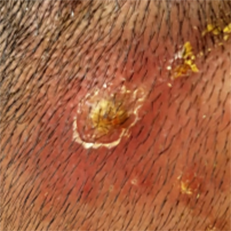
Before treatment
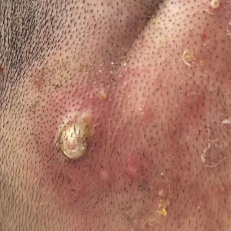
1 Week
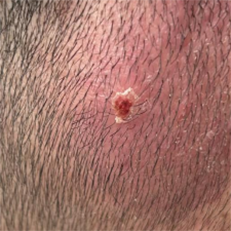
2 Weeks
2. Muscle Soreness & Joint Stiffness
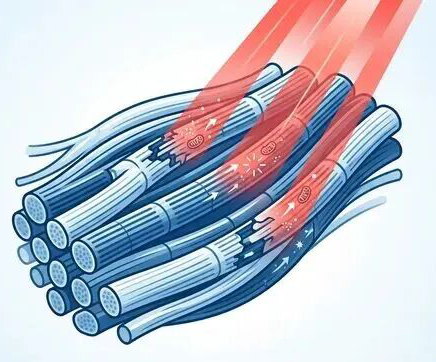
Before: Chronic myofascial tension, sedentary neck and lumbar strain, delayed onset muscle soreness (DOMS) after workouts, and joint stiffness caused by long hours of sitting and daily physical fatigue.
After & Research Backing: Near-infrared light deeply penetrates muscle tissue and joint fascia, suppressing pro-inflammatory pathways and accelerating microcirculatory metabolite clearance[1]. Extensive sports medicine trials and RCTs demonstrate that photobiomodulation applied before or after physical exertion attenuates DOMS, lowers muscle damage markers like creatine kinase (CK)[7], and restores joint range of motion[3].
After: Relieved shoulder and back stiffness, reduced post-exercise muscle soreness, enhanced joint flexibility, and a lighter physical feeling.

3. Systemic Edema & Sub-Health Fatigue
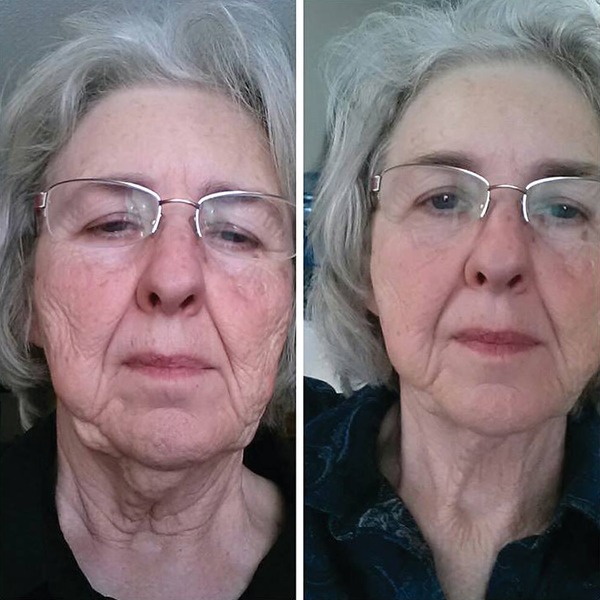
- Before: Morning facial puffiness, fluid retention in the limbs, sluggish circulation, poor sleep quality, and daily physical heaviness driven by sedentary habits and stress.
- After & Research Backing: Full-body light exposure promotes systemic vasodilation and supports lymphatic drainage, effectively reducing physiological edema caused by poor circulation[8]. By optimizing microcirculation and systemic metabolic homeostasis[4], regular PBM helps alleviate metabolic fatigue, support sleep quality, and stabilize daily physical vitality.
- After: Reduced facial and limb swelling, improved circulation, refreshed complexion, better sleep depth, and reduced daily fatigue.
Typical Progression Timeline (2–12 Weeks)
Results from photobiomodulation are cumulative and progressive. While individual responses may vary based on biological factors and consistency, typical observed progression includes:
- Week 2 (Early Cellular Activation): Initial reduction in mild facial puffiness, calmer localized skin redness, accelerated drying and crusting of minor epidermal lesions (e.g., early shingles or post-acne blemishes), and improved sleep quality.
- Week 4 (Inflammatory Relief & Recovery): Noticeable reduction in active inflammatory skin lesions, visibly faded post-acne marks, boosted superficial wound closure rate, relieved shoulder/neck stiffness, and faster post-exercise muscle recovery.
- Week 8 (Dermal Remodeling & Mobility): Enhanced intradermal collagen density, refined skin texture, sustained control over fluid retention, and stable reduction in chronic musculoskeletal tightness.
- Week 12 (Systemic Resilience & Vitality): Sustained skin barrier strength, optimal skin elasticity, improved joint mobility, and overall long-term physical vitality.
Safety, Side Effects & Limitations
Full body red light therapy is widely considered safe, non-invasive, and zero-radiation for most users. When used correctly, it carries minimal risk. However, there are important safety guidelines and limitations to follow.
Mild temporary side effects may include slight skin dryness or minor redness, which can be easily relieved with proper hydration. Overuse may cause skin irritation and fatigue. Pregnant users, people with photosensitive skin conditions, and users with specific chronic illnesses should consult a professional before use.
How to Get Better & Faster RLT Results
To maximize full-body RLT benefits, follow standard usage protocols and healthy daily habits. Use full-body RLT panels for 10–20 minutes per session on a consistent schedule. Choose certified devices with standard effective wavelengths and full-body coverage for balanced results.
Combining regular RLT sessions with proper hydration, sun protection, and healthy rest significantly improves skin repair, recovery speed, and overall wellness effects. Avoid common mistakes such as overexposure, incorrect distance, and inconsistent usage.
Frequently Asked Questions
How quickly can you see results from full body red light therapy?
Most users typically notice subtle changes (such as calmer skin and better sleep) within 2 weeks, with visible progress in skin texture and muscle recovery appearing between 4 and 8 weeks of consistent use. Individual results may vary.
Are there any long-term side effects of red light therapy?
Non-invasive, UV-free red light therapy has no proven long-term negative side effects when using standard-compliant devices within recommended guidelines
Can I use full body red light therapy every day?
Yes. Daily consistency is safe and beneficial, provided you follow recommended session durations (typically 10–20 minutes) and distance guidelines to prevent cellular overuse.
Does RLT work for muscle pain and inflammation?
Yes. Near-infrared (NIR) wavelengths deeply penetrate muscle tissue and joint fascia, suppressing pro-inflammatory pathways, reducing delayed onset muscle soreness (DOMS), and accelerating post-exercise recovery.
What’s the difference between local and full-body red light therapy?
Full-body RLT triggers systemic, long-range biological benefits across the entire organism—simultaneously supporting skin, muscle, and metabolic recovery—whereas targeted local devices only deliver localized light intensity to a small area.
Conclusion
Full body red light therapy produces reliable, visible before-and-after improvements including brighter and clearer facial skin, reduced dullness and puffiness, relieved shoulder and body stiffness, eliminated physical edema, and improved overall sub-health condition. Results appear gradually within 2–12 weeks with consistent, standardized use.
Backed by clinical research and proven user results, full-body RLT is a safe, effective at-home wellness solution for long-term physical maintenance and skin rejuvenation when used correctly with certified equipment.
Final Thoughts
If you are looking for consistent, non-invasive full-body wellness and skin improvement, red light therapy delivers realistic, measurable results. Stick to a regular routine, follow safety guidelines, and you will see steady improvements in your skin, recovery ability, and overall physical condition.
Find the Perfect Fit for Your Wellness Journey & Practice with FullBodyRedLightTherapy
Unlocking the true systemic benefits of photobiomodulation requires light energy tailored to your space and routine. While our website highlights our premier full-body signature system, FullBodyRedLightTherapy also provides a versatile range of setup options—from compact panels for targeted care to expanded full-array setups suitable for personal studios, wellness practices, or custom home spaces.
Whether you need our featured full-body system or a specific panel size designed for your layout, we are here to support your goals.
Contact the team at FullBodyRedLightTherapy today to inquire about custom sizing options, detailed specifications, or personalized recommendations for your space.
Scientific References
[1] Hamblin MR. Mechanisms and applications of the anti-inflammatory effects of photobiomodulation. AIMS Biophysics, 2017, 4(3): 337-361.
[2] Wunsch A, Matuschka K. A controlled trial to determine the efficacy of red and near-infrared light treatment in patient satisfaction, reduction of fine lines, wrinkles, skin roughness, and intradermal collagen density increase. Photomedicine and Laser Surgery, 2014, 32(2): 93-100.
[3] Ferraresi C, et al. Photobiomodulation in human muscle tissue: an advantage in sports performance? Journal of Biophotonics, 2016, 9(11-12): 1273-1299.
[4] Hamblin MR, Liebert A. Photobiomodulation Therapy Mechanisms Beyond Cytochrome c Oxidase. Photobiomodulation, Photomedicine, and Laser Surgery, 2022, 40(2): 75-77.
[5] agdeo J, et al. Light-emitting diodes in dermatology: A systematic review of randomized controlled trials. Lasers in Surgery and Medicine, 2018, 50(6): 613-628.
[6] Avci P, et al. Low-level laser (light) therapy (LLLT) in skin: stimulating, healing, restoring. Seminars in Cutaneous Medicine and Surgery, 2013, 32(1): 41-52.
[7] Vanin AA, et al. What is the best moment to apply photobiomodulation therapy when associated with a strength training program? A randomized, double-blinded, placebo-controlled trial. Lasers in Medical Science, 2018, 33(9): 1981-1989.
[8] Haslerud DN, et al. The efficacy of low-level laser therapy for musculoskeletal disorders: a systematic review and meta-analysis. Photomedicine and Laser Surgery, 2015.